Deaf livelihood and economic empowerment

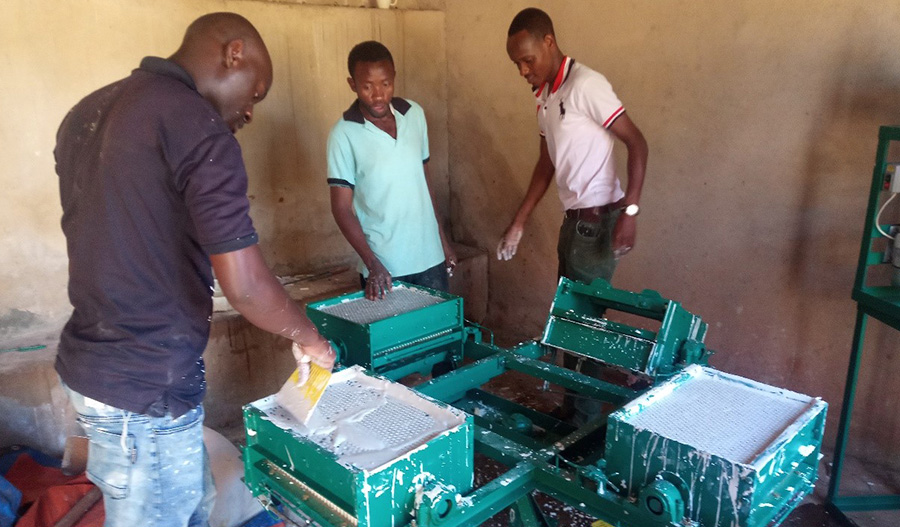
Our Livelihood and Economic Empowerment program helps Deaf and hard-of-hearing individuals build job skills, start businesses, and earn a steady income. We provide vocational training, financial education, and job placement support to create equal economic opportunities for all.
    PROGRAM GOALS
  • Build Job Skills: Teach practical trade and technical skills.
  • Support Business Owners: Provide micro-grants and coaching for new businesses.
  • Connect to Jobs: Partner with local companies for fair hiring.
  • Teach Money Management: Offer classes on saving, budgeting, and financial growth.

    CORE SERVICES
  • Sign Language Training: Ensure all classes use local sign language.
  • Mentorship: Pair participants with experienced business leaders
  • Workshops: Host hands-on training for modern job markets.

Cross-Disability Initiative

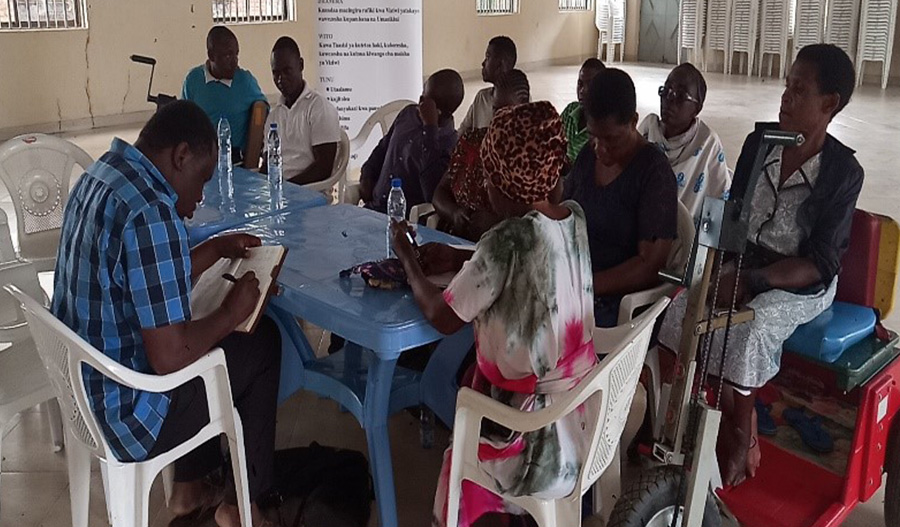
While UMIVITA serves the Deaf person countrywide it also works on Cross disability. Disability is diverse, dynamic, and personal. A Cross-Disability Program is designed to welcome, support, and advocate for people of all disability types, ensuring that no one is left behind due to the specific nature of their condition or diagnosis.

    WHO WE SERVE:
    Our cross-disability initiatives are fully inclusive and open to individuals living with:
  • Physical & Mobility Disabilities: Conditions affecting movement, balance, or dexterity.
  • Sensory Disabilities: Vision loss, blindness, hearing loss, or deafness.
  • Intellectual & Developmental Disabilities: Conditions affecting learning, communication, or adaptive behavior (e.g., Autism, Down Syndrome).
  • Mental Health & Psychosocial Conditions: Ongoing mental health conditions that impact daily life activities.
  • Cognitive & Neurological Disabilities: Traumatic brain injuries, dementia, or executive functioning challenges.
  • Invisible & Chronic Illnesses: Non-apparent conditions, chronic pain, or systemic illnesses.

    CORE PRINCIPLES OF A CROSS-DISABILITY MODEL:
  • Shared Rights & Advocacy: While access needs vary, the fundamental rights—accessibility, dignity, equal opportunity, and self-determination—are universal.
  • Peer Support & Community: Bringing together people with diverse lived experiences fosters broader solidarity, reduces isolation, and builds stronger community advocacy.
  • Universal Design: Programs and environments are structured from the ground up to be physically, digitally, and instructionally accessible to everyone.
  • Intersectionality: Recognizing that disability intersects with age, gender, economic status, and background, requiring flexible, human-centered support.

Why This Approach Matters
Traditionally, many support systems have been siloed, requiring individuals to fit into narrow diagnostic categories to receive services. A cross-disability model breaks down these barriers. It allows organizations to address systemic barriers—such as inaccessible public infrastructure, discriminatory policies, and social stigma—that impact the entire disability community.
CHILD PROTECTION, YOUTH AND WOMEN EMPOWERMENT

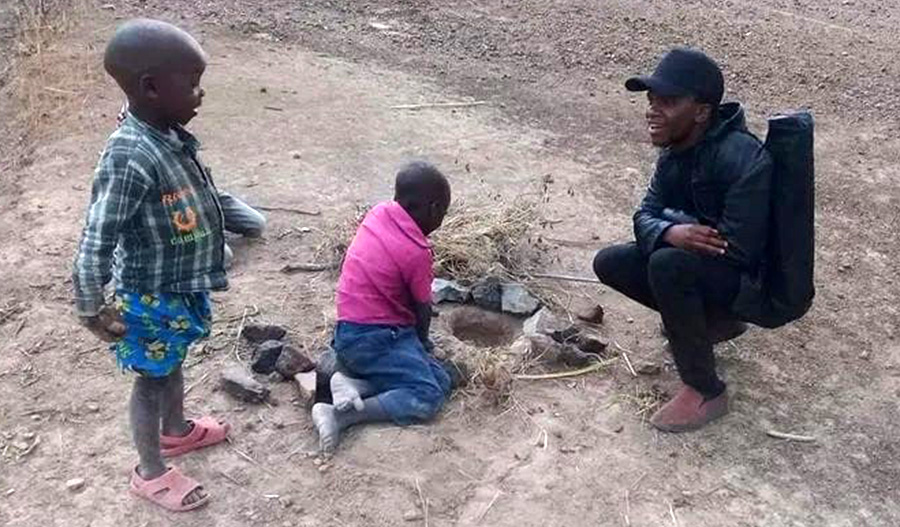
Our Deaf Child Protection, Women, and Youth Development program safeguards vulnerable children and empowers women and youth within the Deaf community. We break down communication barriers, defend human rights, and provide the tools needed for independence and leadership.
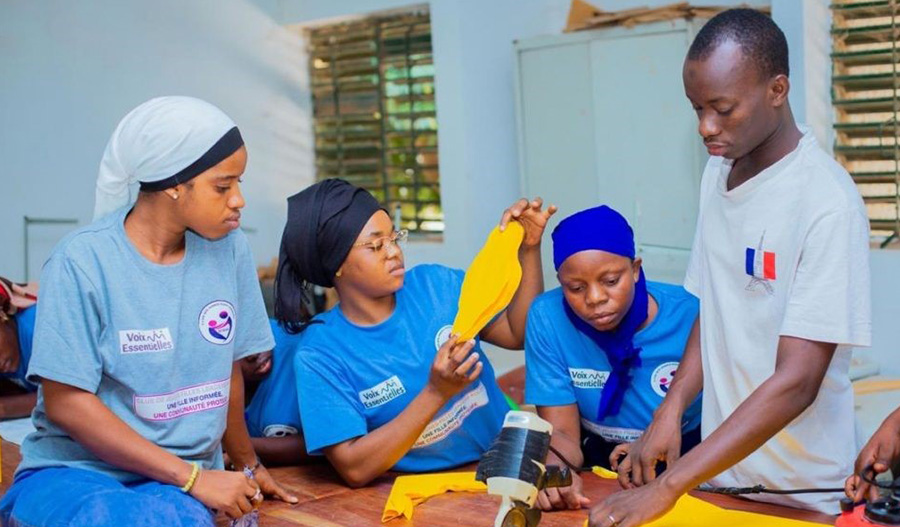
    OUR PILLERS:
  • Child Protection: Preventing abuse and ensuring safe, accessible environments.
  • Women's Empowerment: Providing leadership training and rights education for Deaf women.
  • Youth Development: Building life skills, mentoring, and preparing youth for the future.
  • Family Support: Teaching sign language to families to improve home communication.

    KEY SERVICES:
  • Safe Spaces: Creating secure environments for peer support and reporting abuse.
  • Advocacy Training: Teaching women and youth to fight for their legal rights.
  • Accessible Resources: Providing protection guidelines in local sign language.

MENSTRUAL HEALTH AAND HYGIENE

Our Menstrual Health and Hygiene (MHH) for the Deaf program breaks down communication barriers and eliminates stigma. We ensure every Deaf and hard-of-hearing individual can manage their menstruation safely, confidently, and with dignity.
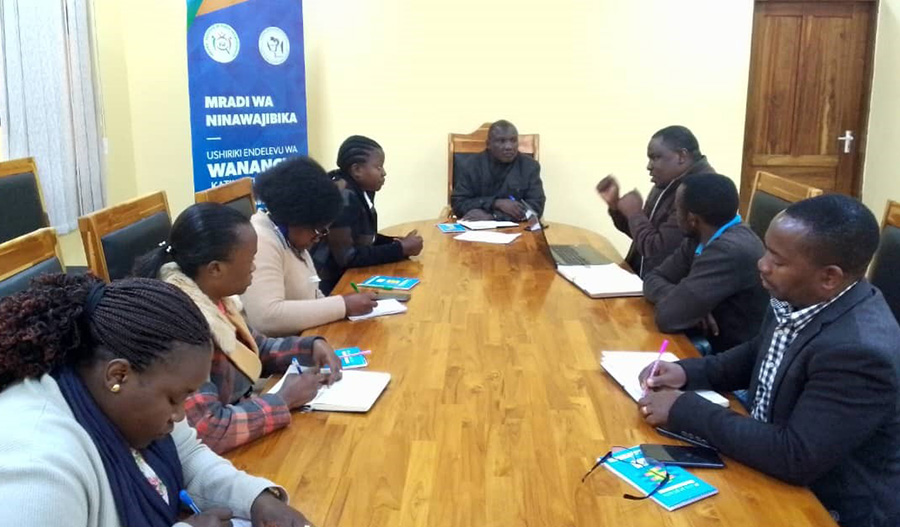
    PROGRAM GOALS:
  • Eliminate Information Barriers: Provide accurate reproductive health resources entirely in local sign language.
  • Eradicate Period Poverty: Ensure consistent access to clean, affordable, and high-quality menstrual products.
  • Dismantle Community Stigma: Educate families and communities to normalize menstruation and stop discrimination.
  • Improve School Attendance: Prevent Deaf learners from missing classes by upgrading school sanitation facilities.
  • Foster Body Autonomy: Empower young individuals with the knowledge to make informed personal health decisions.

ADVOCACY AND AWERENESS

Our Advocacy and Awareness program elevates the voices of the Deaf and hard-of-hearing community to drive systemic change. We campaign tirelessly to dismantle societal barriers, influence inclusive policies, and champion the fundamental human rights of Deaf individuals across all sectors.
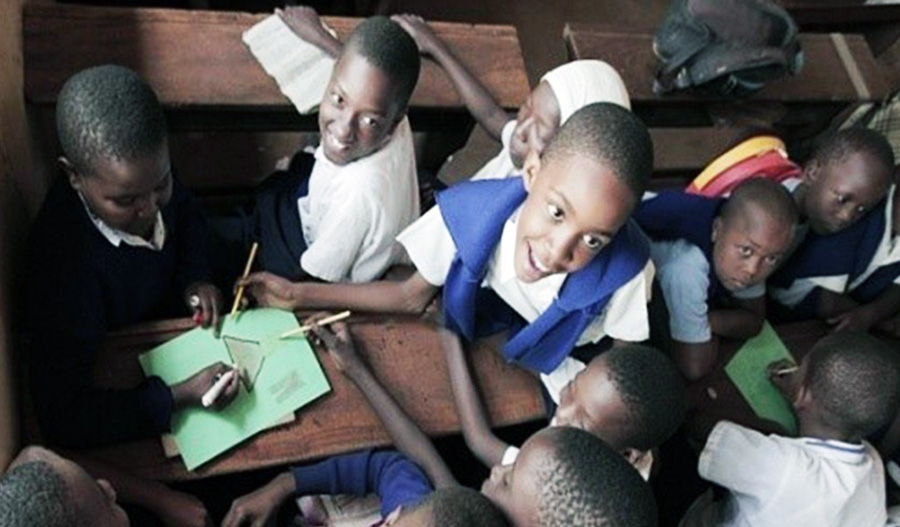
    PROGRAM GOALS:
  • Influence Policy Change: Partner with government bodies to enforce disability-inclusive laws and mandates.
  • Promote Sign Language Recognition: Advocate for the official recognition and widespread use of national sign language.
  • Eliminate Discrimination: Educate the public to remove deeply rooted stigma and misconceptions about Deafness.
  • Ensure Information Accessibility: Campaign for mandatory sign language interpretation in public media, healthcare, and justice systems.

    CORE SERVICES:
  • Public Awareness Campaigns: Run multimedia and community-level campaigns to highlight Deaf capabilities and rights.
  • Rights and Leadership Training: Equip Deaf individuals with self-advocacy skills to lead their own rights movements.
  • Stakeholder Sensitization: Conduct workshops for employers, educators, and officials on creating inclusive environments.
  • Legal and Policy Monitoring: Track national compliance with international disability rights frameworks.

INCLUSIVE EDUCATION

Our Inclusive Education program ensures that Deaf and hard-of-hearing children have equal access to quality, barrier-free learning. We transform traditional classrooms into accessible environments where Deaf learners can thrive academically, socially, and emotionally alongside their peers.
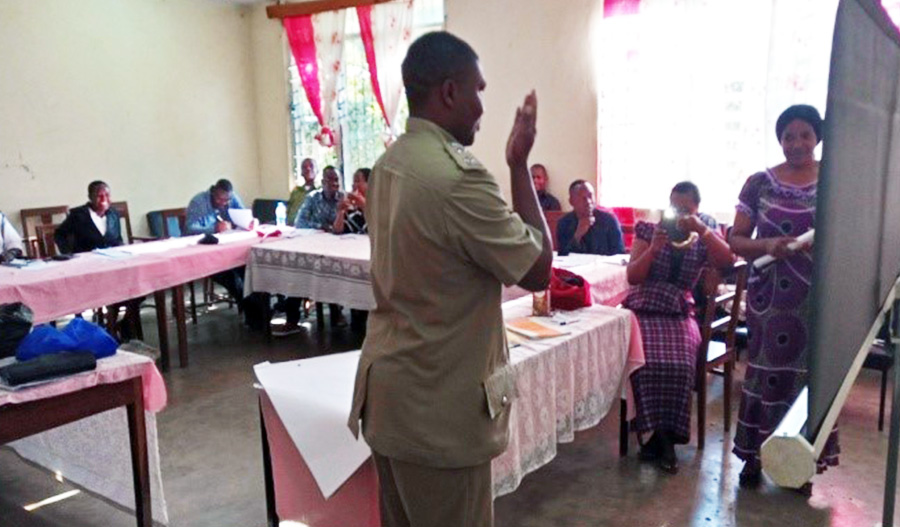
    PROGRAM GOALS:
  • Eliminate Communication Barriers: Promote bilingual education using national sign language and written language in schools.
  • Enhance Teacher Capacity: Train educators in specialized Deaf pedagogy, inclusive teaching methods, and fluent sign language.
  • Boost School Enrollment: Reduce dropout rates among Deaf children by creating welcoming, supportive school cultures.
  • Provide Accessible Materials: Ensure curriculum textbooks, digital media, and learning tools are adapted for visual learners.
  • Empower Parents: Train families in sign language to support their children's learning and development at home..

    CORE SERVICES:
  • Sign Language Training for Schools: Deliver ongoing sign language courses to teachers, hearing students, and school staff.
  • Inclusive Classroom Upgrades: Provide schools with visual learning aids, assistive technologies, and optimized lighting/seating.
  • Educational Advocacy: Campaign for national education ministries to implement and enforce strict disability-inclusive policies.
  • Early Intervention Support: Identify hearing loss early and provide immediate language development resources to young children.

TANZANIA SIGN LANGUAGE (TSL) COURSES

We have a number of Tanzania Sign Language (TSL) courses. All of our courses are taught by experienced Deaf tutors, which will allow you to be immersed in TSL and Deaf culture!

Please contact us for any question you may have.